One anchor ingredient
Each weekly menu features a hero ingredient from this list. Two recipes use it directly so nothing is left at the back of the crisper.
Personalized weekly menus feel brighter when they follow the seasons. This rolling calendar is the same one our planners reach for when they sketch your Sunday menu.
Plan a seasonal week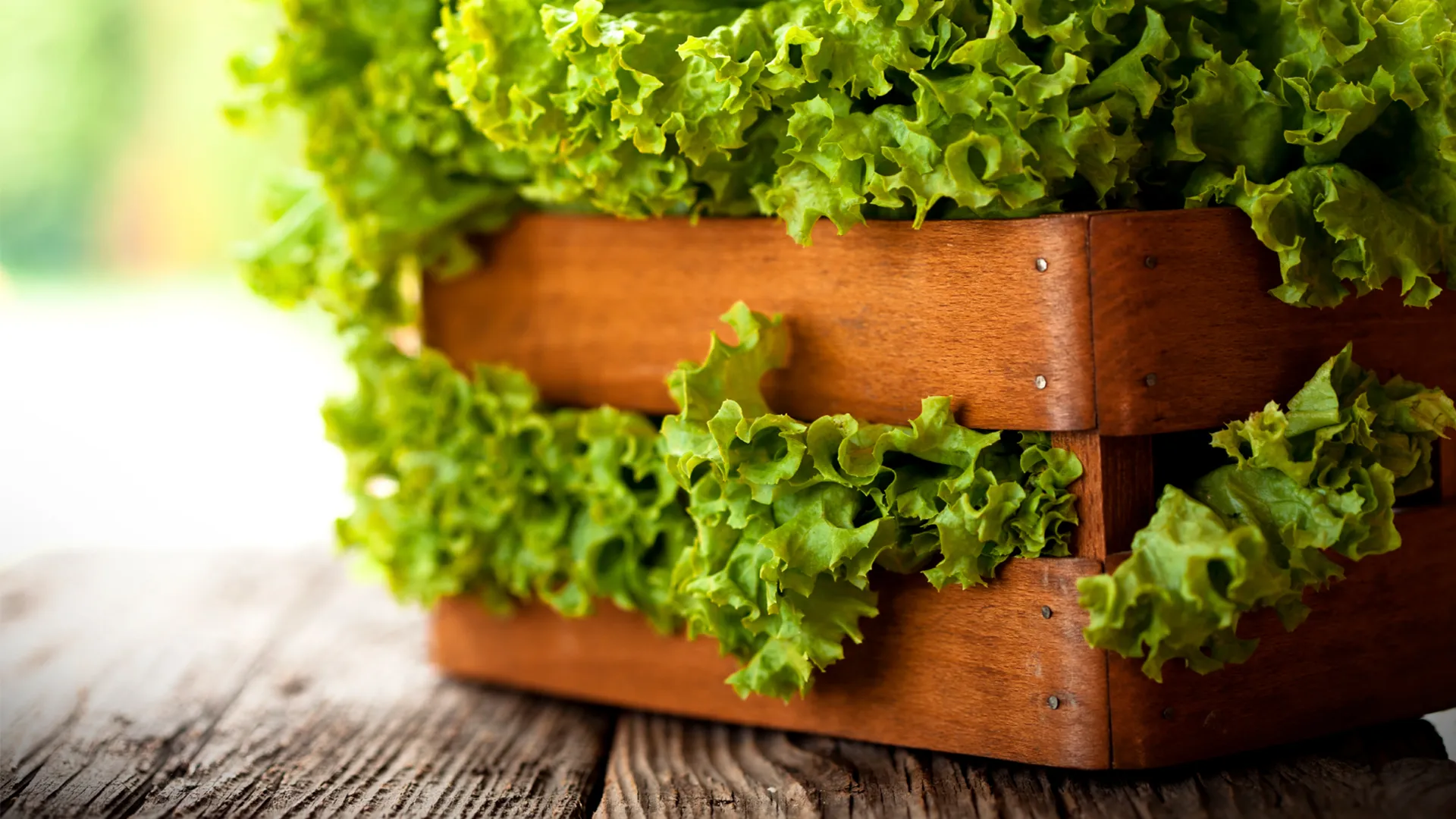
Each weekly menu features a hero ingredient from this list. Two recipes use it directly so nothing is left at the back of the crisper.
An aromatic — herb, citrus or spice blend — bridges the week's recipes so meals feel related without tasting identical.
We rotate one shelf-stable hero each season — beans in winter, grains in spring — to refresh your pantry without overstocking.
Walking the market perimeter once before buying helps you build a menu around what looks freshest, not what you planned in advance.
Setting aside a quart of berries, herbs or stock pulls a future menu out of an off-season slump.
The week a season turns, plan one menu that uses the last of one harvest and the first of the next. It marks time in the kitchen.